Lalibela is a globally significant complex of 11 medieval monolithic and semi-monolithic churches excavated directly into red volcanic scoria. Commissioned in the late 12th and early 13th centuries by King Gebre Meskel Lalibela of the Zagwe Dynasty, the site was engineered to serve as a physical "New Jerusalem" following the capture of Jerusalem by Saladin.
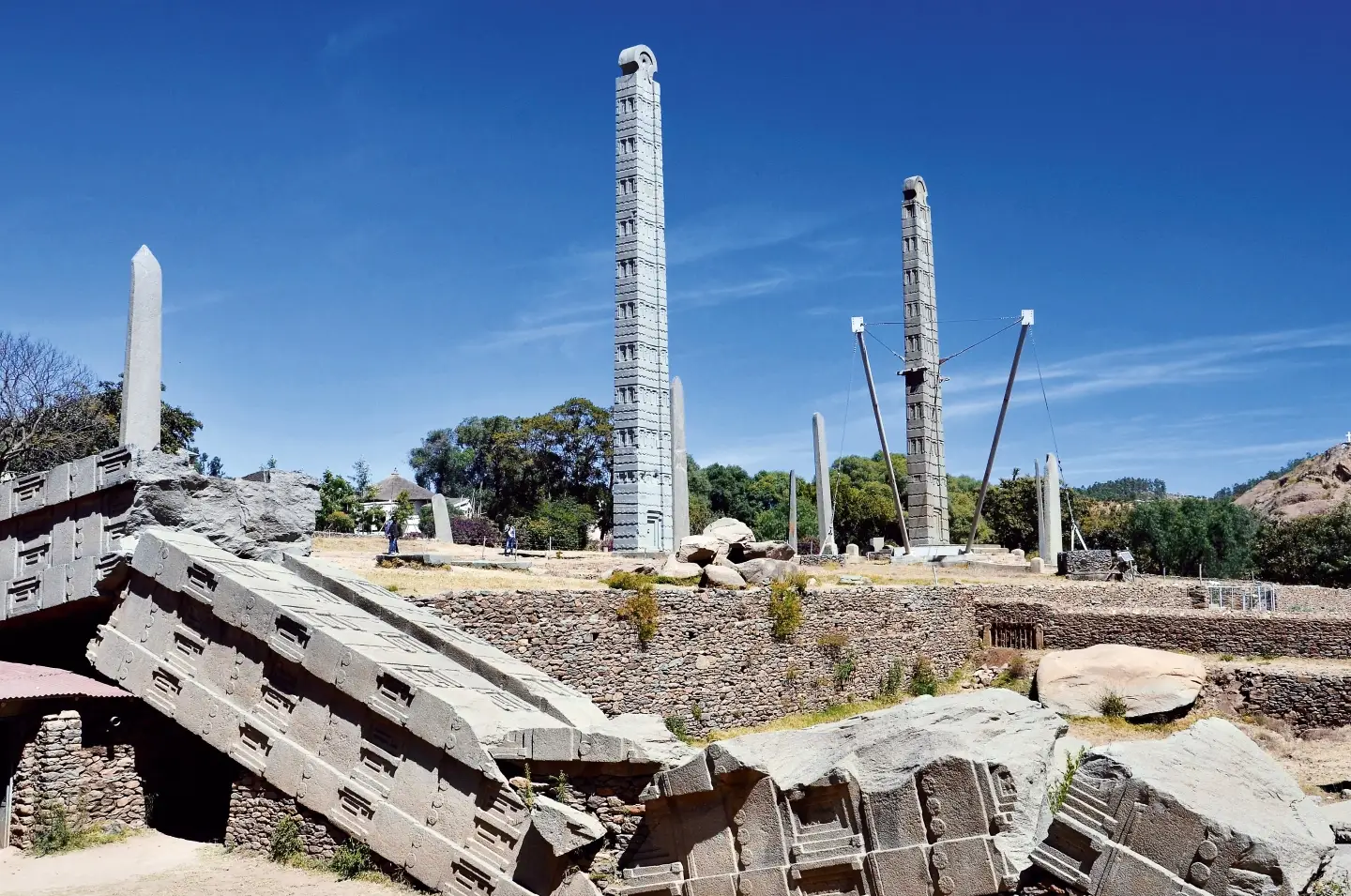
Axum preserves the urban center of the ancient Aksumite Empire, a major maritime and commercial power that dominated trade between the Roman Empire and ancient India from the 1st to the 8th centuries AD. The site is characterized by its monumental monolithic phonolite stelae, which served as funerary markers for elite rulers, the largest of which represents some of the most ambitious single-stone engineering in antiquity. The archaeological zone includes extensive underground royal tomb complexes, pre-Christian palaces, and trilingual stone inscriptions in Ge'ez, Sabaean, and Greek.
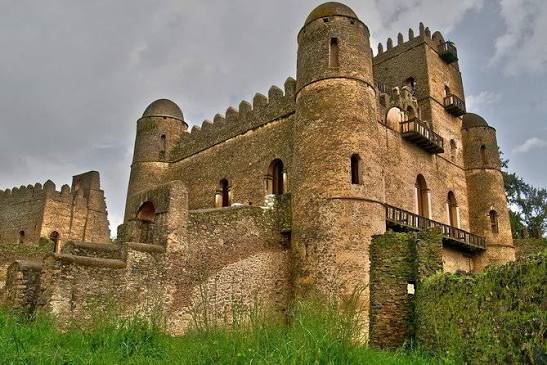
Founded in 1636 by Emperor Fasilides as the permanent capital of the Solomonic Dynasty, Gondar marked an end to the tradition of migratory imperial tent camps. The central feature is the Fasil Ghebbi, a 70,000-square-meter fortified royal compound enclosing six stone castles, palaces, chanceries, and banquet halls. The architecture demonstrates a unique regional fusion of Portuguese colonial masonry, Moorish arches, Indian decorative influences, and Aksumite structural traditions. Outside the primary walls, the city retains the Bath of Fasilides utilized for annual Epiphany (Timkat) water blessings and the 17th-century Debre Berhan Selassie Church, which preserves an intact, historically significant ceiling covered in rows of winged cherub frescoes.
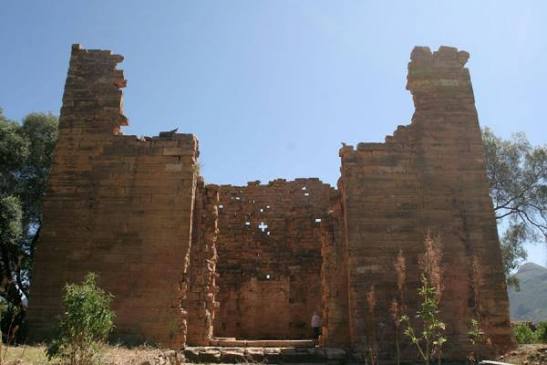
Yeha is recognized as the oldest recorded urban settlement and religious site in Ethiopia, serving as the political capital of the pre-Aksumite D'mt kingdom during the 8th and 7th centuries BC. The primary structure is the Great Temple of Yeha, a remarkably preserved dry-masonry tower built entirely without mortar using massive, finely dressed limestone blocks up to three meters in length. The building reflects clear architectural and cultural links to South Arabian Sabaean civilizations across the Red Sea, dedicated originally to the lunar deity Almaqah. Adjacent to the temple sits an active 6th-century Christian monastery founded by Abba Aftse, one of the Nine Saints, showcasing the structural transition from pagan antiquity to early Christian administration.
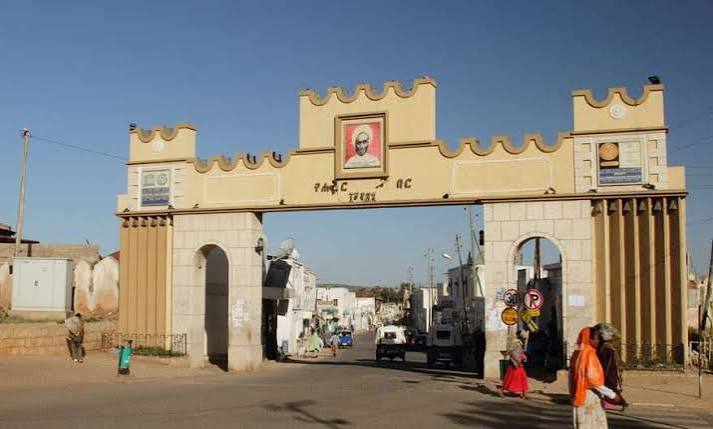
Harar Jugol is a fortified historic city in eastern Ethiopia, widely considered the fourth holiest urban center in Islam. Enclosed by an intact 5-meter-high defensive stone wall (Jugol) constructed in the 16th century by Emir Nur ibn Mujahid, the dense 48-hectare old city contains a maze of 368 narrow alleyways housing 82 mosques and 102 historic shrines. The urban fabric is dominated by unique traditional Harari townhouses two-story structures built around central courtyards with distinct interior seating arrangements and textile displays. Plan Africa Tours coordinates evening logistics to witness the long-standing urban ecological interface where local families feed wild spotted hyenas outside the city walls, an ancient ritual linked to sanitation and spiritual protection.
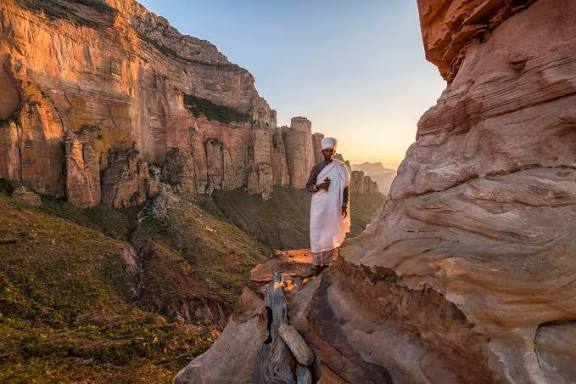
The Gheralta region in the semi-arid Tigray highlands is defined by dramatic, vertical sandstone escarpments and pinnacles that conceal over 30 ancient rock-cut churches. Dating from the 4th to the 14th centuries, these structures such as Abuna Yemata Guh and Maryam Korkor were carved directly into vertical cliff faces at extreme altitudes to provide monastic isolation and defense against historical invasions. Reaching these sites requires physical navigation of steep rock ledges and vertical handholds. The interior reward for this technical access is the exceptional preservation of centuries-old, low-humidity frescoes painted directly onto the stone surfaces, along with collections of illuminated vellum manuscripts.
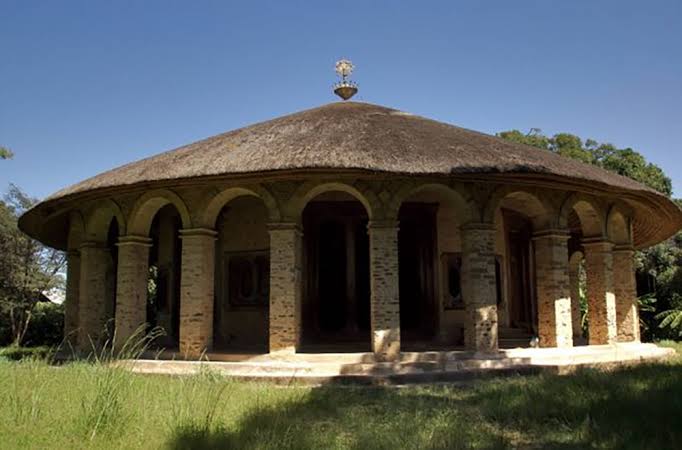
Lake Tana, Ethiopia’s largest inland body of water (covering roughly 3,200 square kilometers) and the source of the Blue Nile, hosts 37 islands and peninsulas that shelter historic Orthodox Christian monasteries dating back to the 14th-century Solomonic restoration. Accessible via structured boat transport, monasteries such as Ura Kidane Mehret and Kebran Gabriel feature traditional circular thatched architecture (Mekdes) adorned with highly descriptive 16th- and 17th-century canvas paintings. Due to their extreme geographic isolation, these island complexes served for centuries as secure national treasuries, protecting imperial regalia, royal crowns, and early Ge'ez religious codices from regional conflicts.