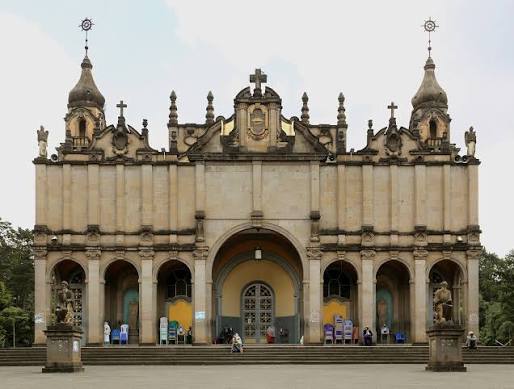
Located approximately 110 kilometers north of Addis Ababa, Debre Libanos is one of Ethiopia’s most revered ecclesiastical centers. Founded in the 13th century by Saint Tekle Haymanot, the active monastery complex sits on a dramatic terrace between a towering sandstone cliff and the edge of the Jemma River Gorge—a massive canyon formed by a major tributary of the Blue Nile. A short walking track from the complex leads to the historic "Portuguese Bridge," built in the 16th century using local limestone mortar. The canyon edge provides premium vantage points for observing soaring birds of prey and resident troops of the endemic Gelada baboon (Theropithecus gelada) grazing along the basalt plateaus.
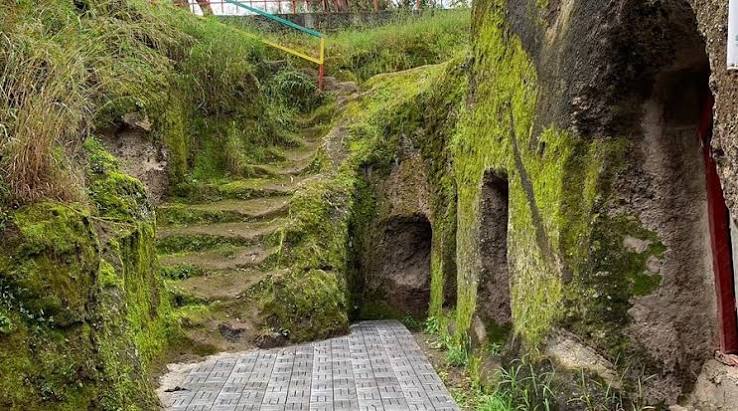
Situated 70 kilometers south of the capital, Adadi Mariam is a historic subterranean rock-hewn church carved directly into solid volcanic tuff. Dating back to the late 12th or early 13th century, local ecclesiastical tradition links its construction directly to the Zagwe dynasty and King Lalibela's engineers during his expansion south. As the southernmost operational rock-hewn church of its type in Ethiopia, Adadi Mariam provides an un-staged, intimate look at early medieval architectural engineering. The rural, quiet nature of the site makes it an excellent choice for travelers looking to understand raw Orthodox traditions away from the heavy commercial paths.
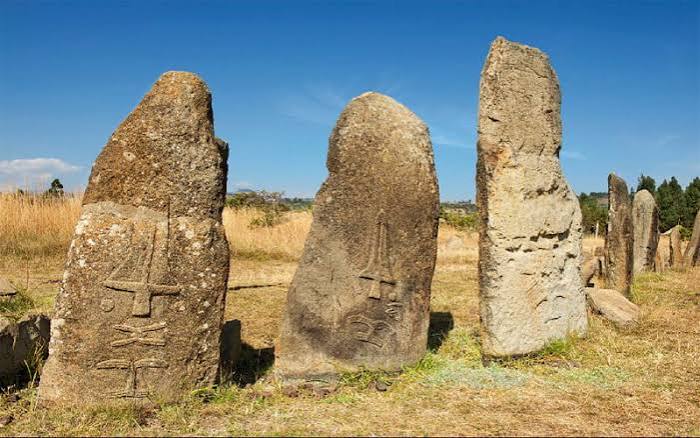
The Tiya Stelae Field, positioned 85 kilometers south of Addis Ababa, is an internationally recognized UNESCO World Heritage Site critical to the study of megalithic African cultures. The site preserves roughly 40 upright stone monoliths dating between the 12th and 14th centuries. These stelae serve as ancient burial markers for a complex, protohistoric society. The stones feature precise relief carvings of swords, local plants, and stylized geometric symbols that represent status, lineage, and early regional achievements. Plan Africa Tours pairs visits to this site with specialized historical guides to provide deep archaeological context rather than brief sightseeing.
Situated just 30 kilometers west of the capital, Menagesha Suba Forest Park is historically recognized as one of the oldest state-designated conservation zones in Africa, protected by imperial decree under Emperor Zera Yacob in the 15th century. This montane forest protects towering, ancient indigenous tree species including old-growth African Juniper (Juniperus procera) and Podocarpus—that have completely vanished from the rest of the urbanized region. It serves as an essential ecological refuge for endemic birds, such as the Abyssinian catbird, and native mammals like the rare Menelik’s bushbuck.
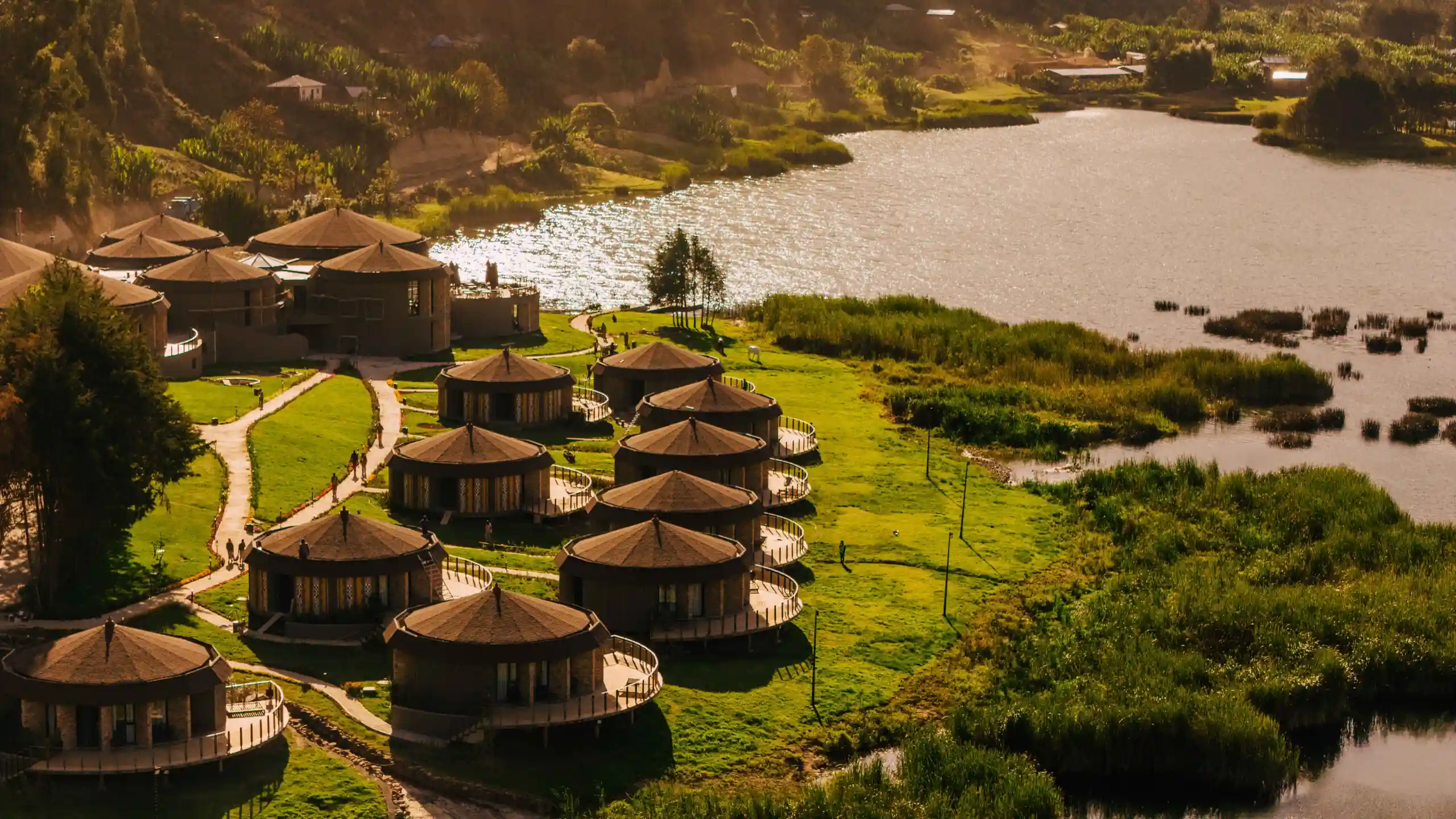
Located 155 kilometers west of Addis Ababa, Wenchi is an alpine caldera lake formed within the peak of an extinct volcano at an altitude of over 3,000 meters. The dramatic crater landscape transitions from terraced highland agricultural plots down to dense, native forests and thermal mineral springs. Travel within the caldera is strictly managed through sustainable community ecotourism networks, utilizing structured trekking paths, horseback transfers, or local wooden boats. A central island within the clear lake houses the historic 15th-century monastery church of Wenchi Kirkos, offering a unique blend of high-altitude landscape photography and medieval monastic history.
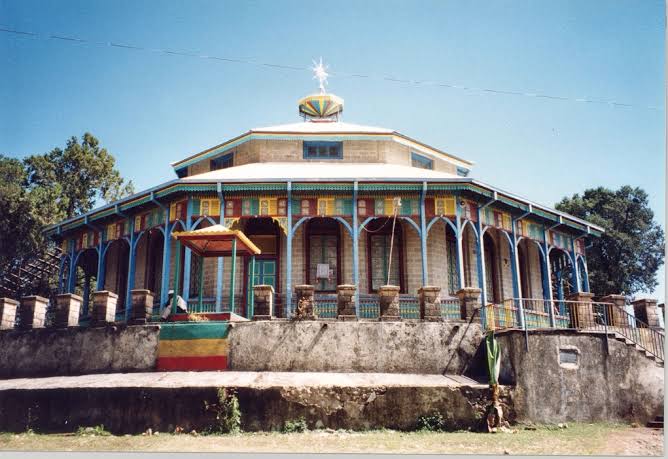
Positioned 45 kilometers east of Addis Ababa along the main economic corridor, Bishoftu is built around a network of ancient volcanic crater lakes, including Lakes Hora, Babogaya, Kuriftu, and Bishoftu. These natural depressions are surrounded by steep caldera walls and gentle highland hills. Given its moderate climate and lower altitude compared to Addis Ababa, Bishoftu serves as a key logistical rest stop and a hub for lakeside hospitality infrastructure. The lakes host significant seasonal populations of migratory waterfowl, making it a highly accessible destination for bird watching, kayaking, and light relaxation.
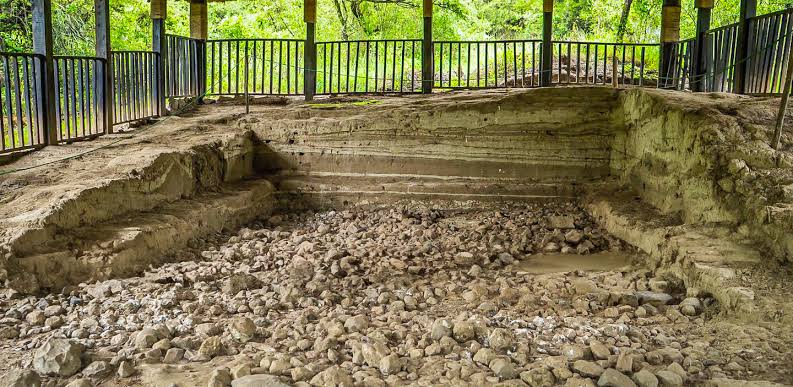
Located 50 kilometers south of Addis Ababa along the upper banks of the Awash River, Melka Kunture is a globally significant, open-air Paleolithic site. Continuous excavations have unearthed an immense concentration of Oldowan and Acheulean stone tools, fossilized hominid remains, and butchered megafauna dating back over 1.5 million years. The site features fully operational excavation enclosures and a structured museum complex that provides clean, scientific insight into early hominid tool manufacturing, hunting patterns, and Pleistocene environments within East Africa’s Great Rift Valley.