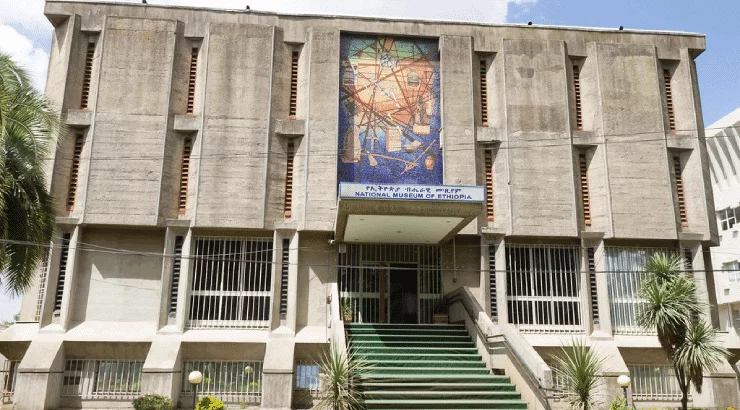
he National Museum of Ethiopia serves as the country's primary repository for paleoanthropological, archaeological, and historical artifacts. Its lower level houses the fossilized remains of "Lucy" (known locally as Dinknesh), the 3.2-million-year-old hominid skeleton that remains a cornerstone for the study of human evolution. Beyond its prehistoric collections, the museum features an extensive array of ancient stone tools, pre-Axumite sculptures, and imperial regalia.
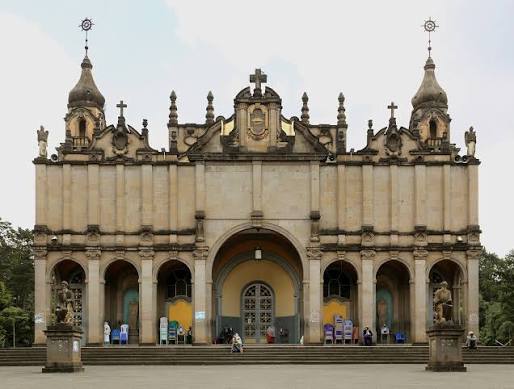
Holy Trinity Cathedral (Kidist Selassie) is a premier architectural landmark and one of the most significant places of worship for the Ethiopian Orthodox Tewahedo Church. Built to commemorate the country's liberation from the fascist Italian occupation, the cathedral holds deep national and political importance. The exterior features complex stone carvings, while the interior blends traditional Ethiopian ecclesiastical design with European stained-glass windows depicting biblical narratives and historical milestones. It houses the granite tombs of Emperor Haile Selassie I and Empress Menen Asfaw, making it a focal point for those studying Ethiopia’s modern imperial era.
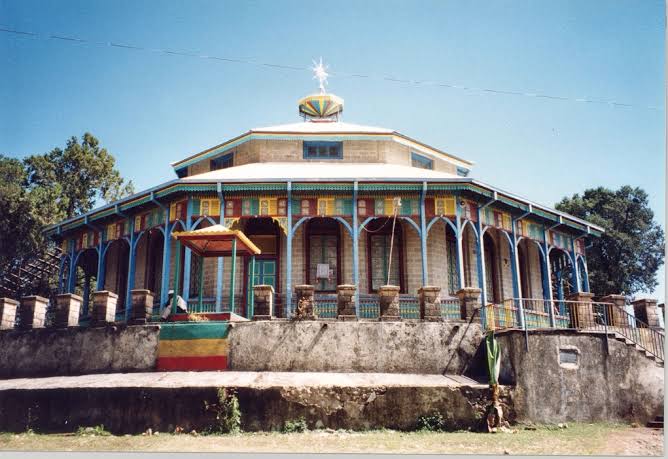
Situated at an elevation of over 2,600 meters, the Entoto Hills form the northern boundary of Addis Ababa, characterized by dense eucalyptus forests and a cool highland climate. Before the establishment of the modern capital in the lower plains, Entoto served as the fortified capital of Emperor Menelik II and Empress Taytu Betul. Visitors can explore the historic Entoto Maryam Church, a key spiritual site where Menelik II was crowned, alongside his original timber-and-mud palace compound. The area balances this deep imperial history with modern additions, including walking trails and the Entoto Observatory and Research Center.
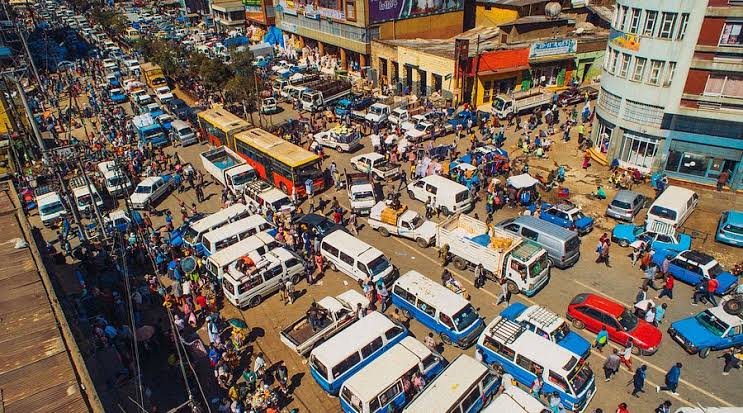
Merkato stands as one of the largest open-air commercial hubs on the African continent, operating as the primary engine of daily trade in East Africa. Spanning several square kilometers, it is organized into highly specialized, informal sectors based on commodities. Plan Africa Tours routes guide travelers safely through key areas, including the spice markets, custom metal recycling workshops, hand-woven basketry lanes, and traditional coffee bean stalls. Visiting Merkato provides an unvarnished look at the city's economic vitality and the logistical rhythm of urban Ethiopian life.
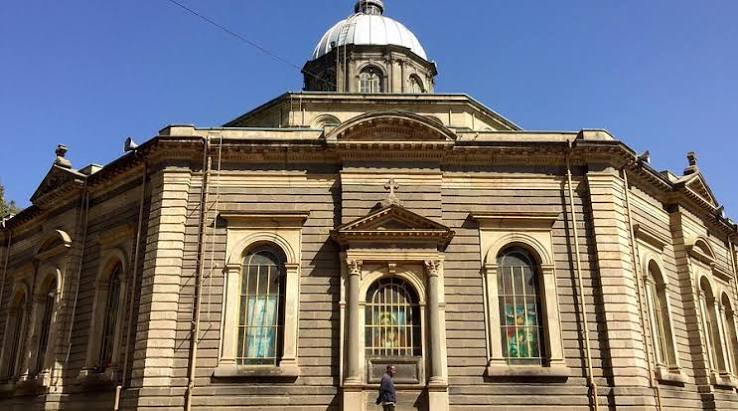
Commissioned by Emperor Menelik II to commemorate the historic 1896 victory over Italian colonial forces at the Battle of Adwa, St. George Cathedral is an iconic octagonal structure located at the northern heart of the city. Dedicated to the country's patron saint, the cathedral features a distinct architectural footprint adorned with vivid murals and stained-glass work by the celebrated Ethiopian artist Afewerk Tekle. An on-site museum stores imperial coronation robes, silver crosses, weapons used during the resistance, and illuminated parchment manuscripts dating back several centuries.
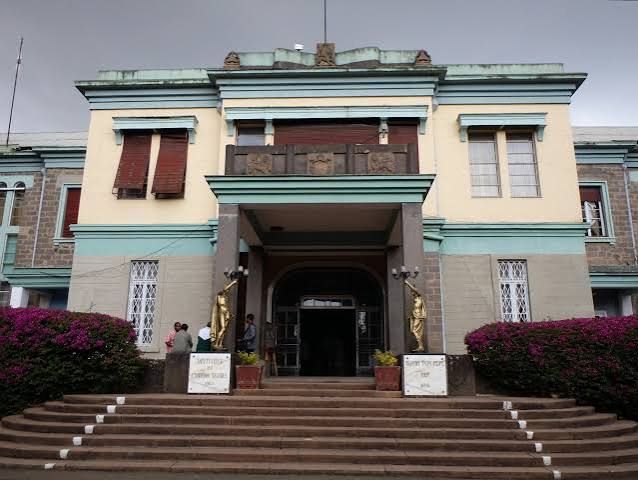
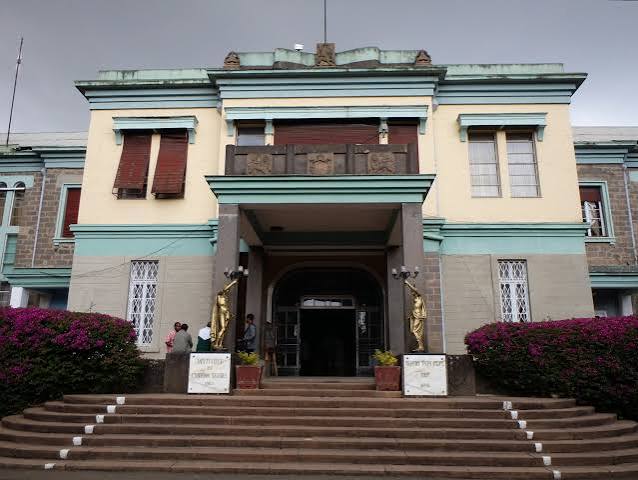
Housed within the Genete Leul Palace the former residence of Emperor Haile Selassie I, located inside the main campus of Addis Ababa University this museum offers a structured, anthropological overview of Ethiopia’s cultures. The exhibition space is uniquely organized around the human life cycle, tracking birth, youth, adulthood, and death across various ethnic groups through clothing, tools, musical instruments, and ritual objects. The museum also preserves the Emperor’s personal bedroom and bathroom facilities, offering a rare, intimate look at 20th-century imperial domestic life within a quiet, academic environment.
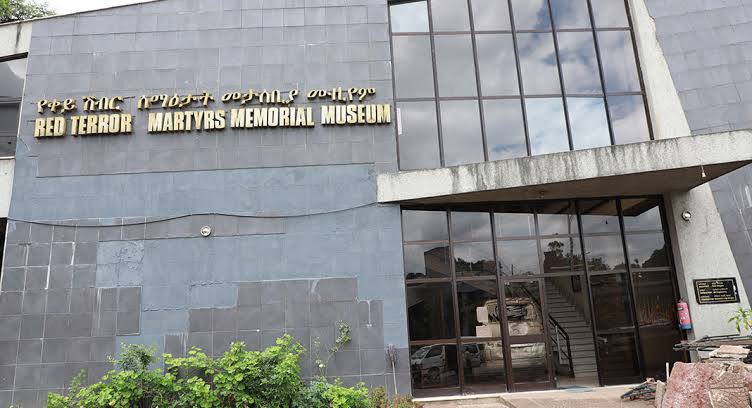
The Red Terror Martyrs Memorial Museum provides a somber, historical account of the Marxist-Leninist Derg regime’s violent campaign from 1974 to 1978. Located near Meskel Square, the museum documents systematic human rights abuses through photographic evidence, personal testimonies, original prison artifacts, and mass grave remains. While emotionally demanding, this exhibition is vital for understanding contemporary Ethiopian politics, the resilience of its population, and the nation's ongoing reconciliation process.
Housed within the Genete Leul Palace the former residence of Emperor Haile Selassie I, located inside the main campus of Addis Ababa University this museum offers a structured, anthropological overview of Ethiopia’s cultures. The exhibition space is uniquely organized around the human life cycle, tracking birth, youth, adulthood, and death across various ethnic groups through clothing, tools, musical instruments, and ritual objects. The museum also preserves the Emperor’s personal bedroom and bathroom facilities, offering a rare, intimate look at 20th-century imperial domestic life within a quiet, academic environment.