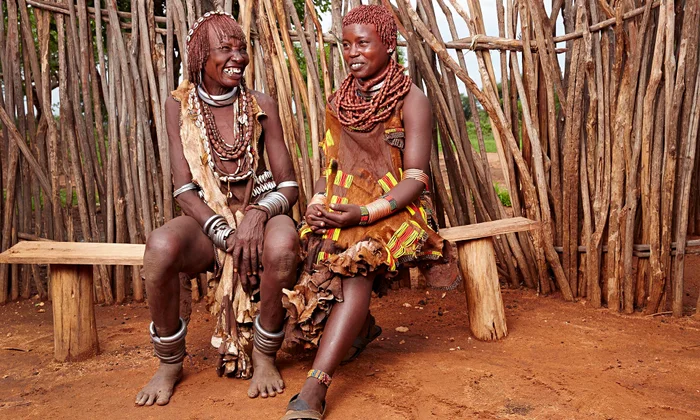
The Hamar people are semi-nomadic pastoralists inhabiting the bush-covered hills of the South Omo Zone, centered around Turmi and Dimeka. They are globally recognized for the Ukuli Bula (bull-jumping ceremony), a mandatory multi-day rite of passage where a young man must run across the backs of aligned cattle to transition into adulthood (Maza status). Hamar women wear heavy cowrie-shell-adorned goat-skin skirts and style their hair into tight, distinct copper-colored braids (goscha) using a dense mixture of iron-rich ochre, water, and animal fat.
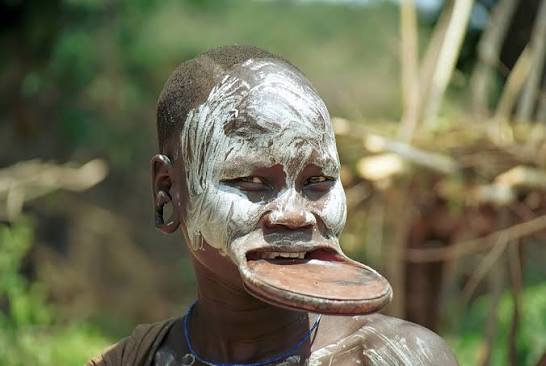
Inhabiting the isolated lowlands surrounding Mago National Park and the Omo River, the Mursi are Nilotic pastoralists with a fierce independent streak. They are famous for the large clay or wooden plates (debhinya) inserted into the lower lips of women, a practice signaling social maturity, clan lineage, and wealth measured in cattle. Mursi men maintain a strict warrior culture and participate in Donga highly competitive, institutionalized stick-fighting matches used to prove physical dominance and win brides.
With a population of less than 2,000 individuals, the Karo are one of the smallest ethnic groups in the Omo Valley, residing on the high cliffs overlooking the eastern loop of the Omo River. Because they lost most of their cattle to tsetse fly epidemics generations ago, they are predominantly farmers practicing flood-recession agriculture along the riverbanks. The Karo are masters of temporary body art, painting their skin daily with complex geometric patterns using a paste of natural white chalk, pulverized charcoal, and red ochre.
The Dassanech occupy the extreme southern delta of the Omo River where it drains into Lake Turkana, right along the Kenya border. Surviving in a brutal, hyper-arid environment, they are incredibly resource-efficient agro-pastoralists who herd cattle and cultivate sorghum on seasonal floodplains. They live in highly modular, dome-shaped huts made of branches, hide, and scavenged sheet metal or bottle caps, engineered to be broken down and reassembled within hours as grazing patterns or river levels shift.
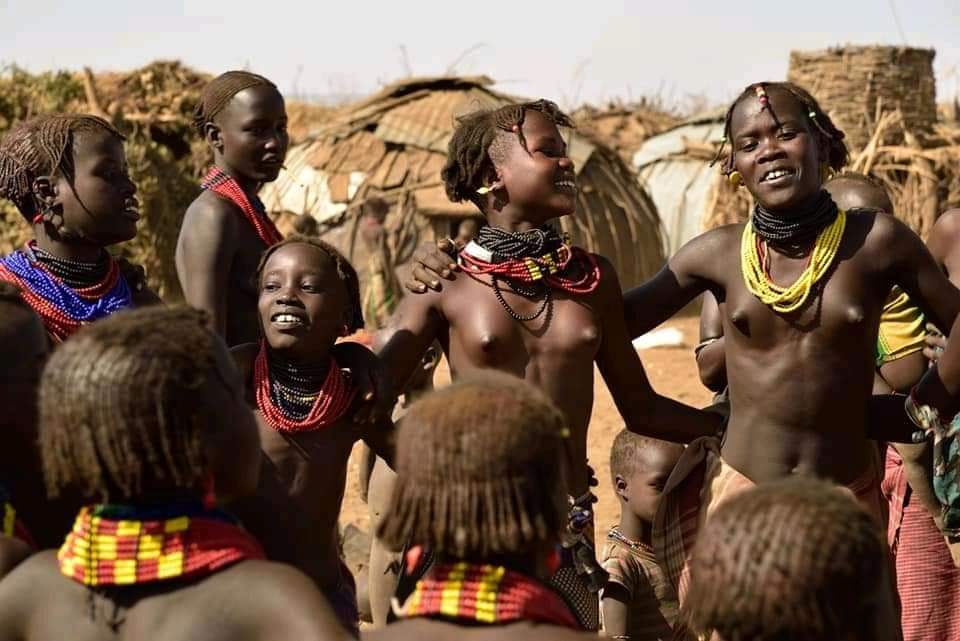
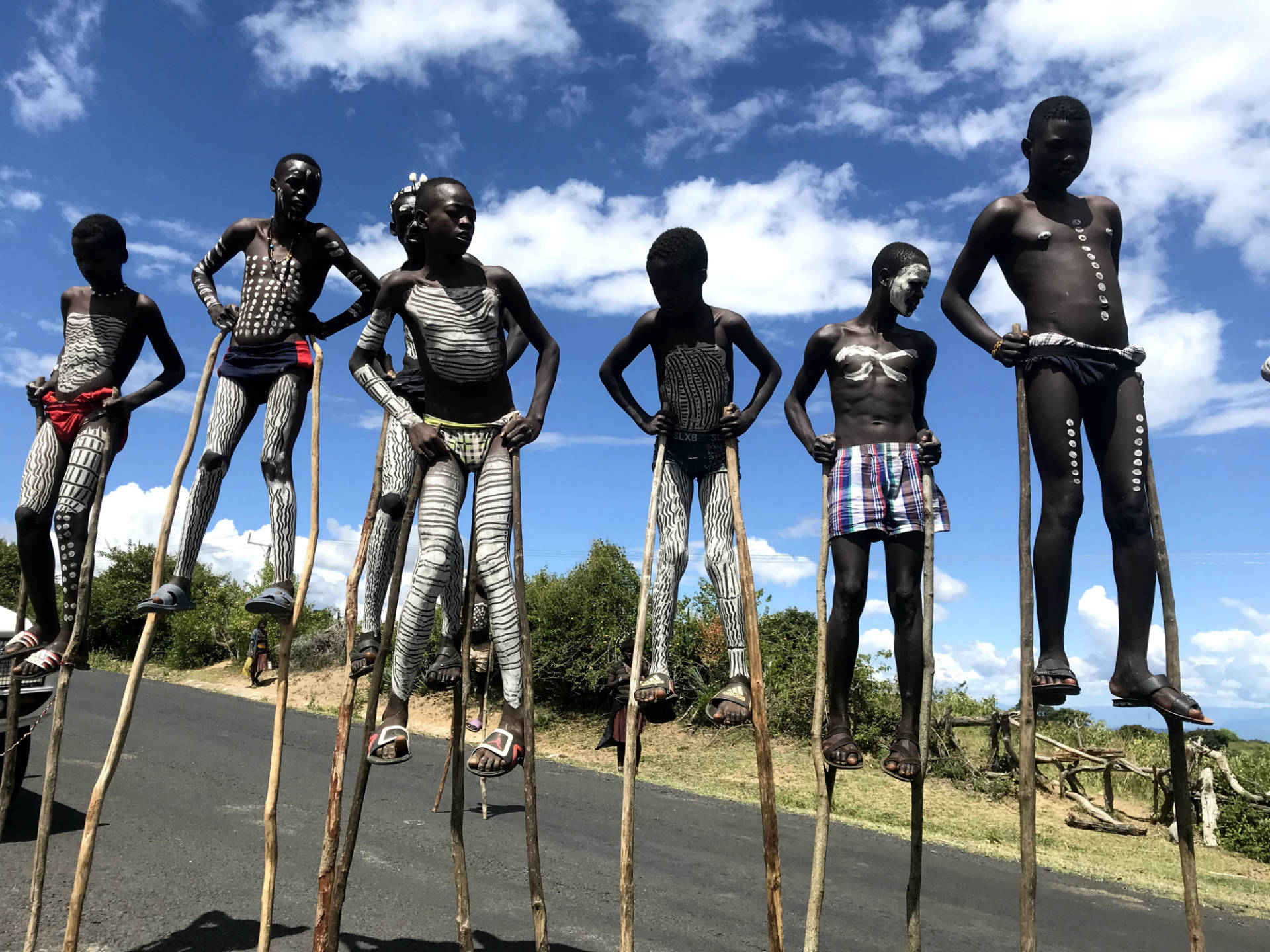
Closely related to the Hamar linguistically and culturally, the Banna are semi-nomadic agropastoralists living in the rugged highlands between Jinka and Turmi. While they share the bull-jumping tradition and similar ochre hair aesthetics with the Hamar, the Banna have adapted more aggressively to highland agriculture, cultivating sorghum, maize, and keeping bees for honey. They are highly visible during the weekly regional markets, often using unique hand-carved wooden stools (borkoto) that double as headrests to preserve elaborate hairstyles.
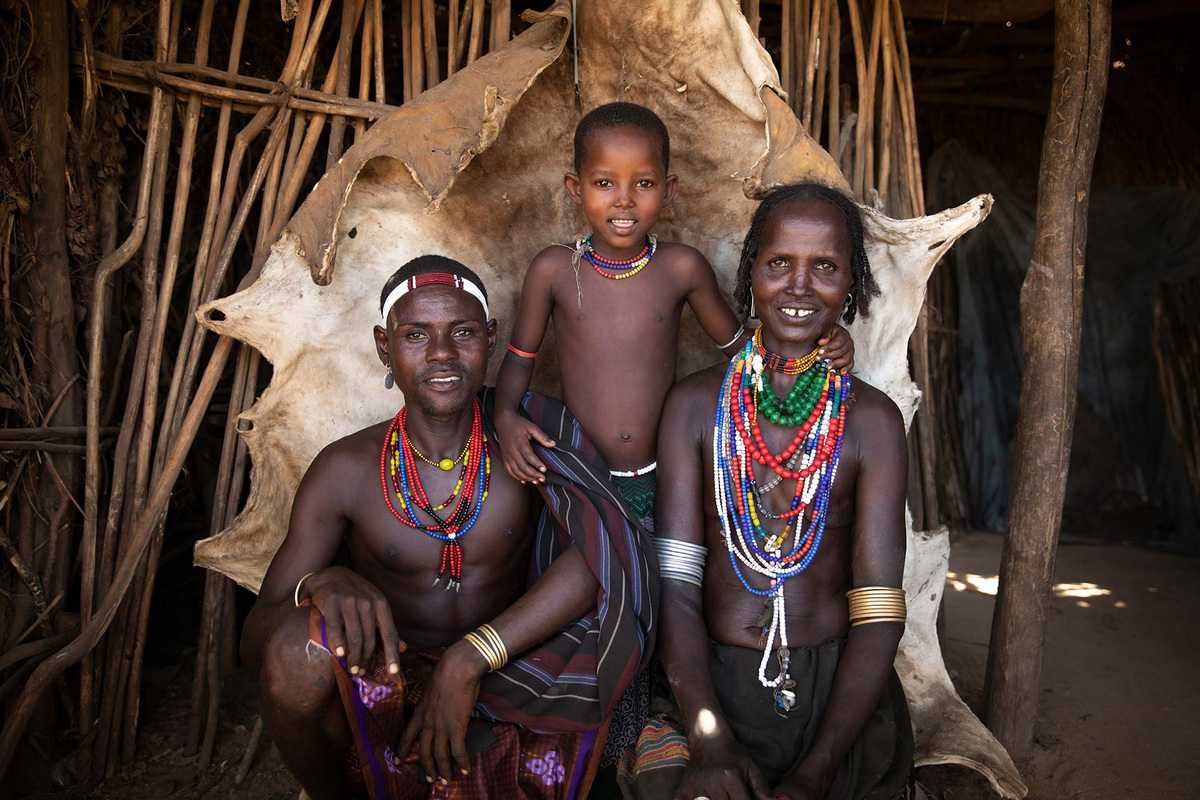
The Arbore are a Cushitic-speaking group of pastoralists settled in the hot, dry plains of the Weyto Valley. Due to their strategic geographic position and complex inter-tribal marriages, they historically act as critical economic middlemen and peace brokers between the competing tribes of the Omo region. Arbore women are instantly recognizable by their long, dark fabric veils and massive, multi-layered arrays of colorful glass bead necklaces that indicate their specific clan lineage and marital status.
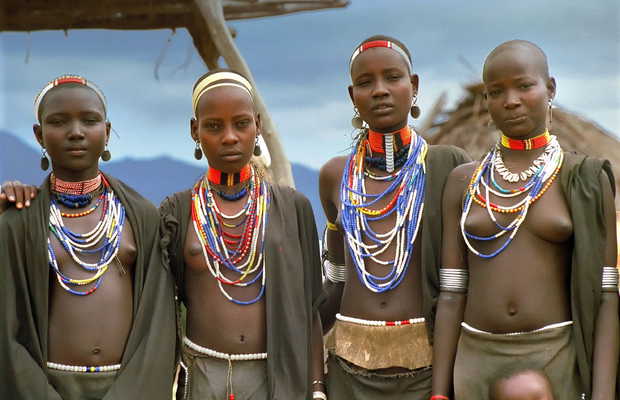
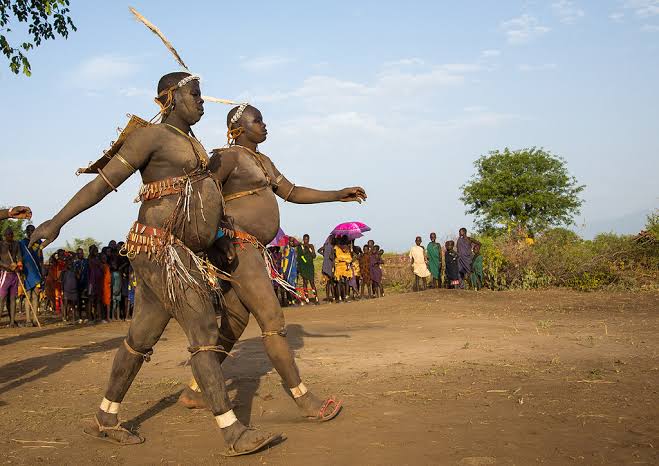
Residing in the remote, heavily forested lowlands west of the Omo River, the Bodi are pastoralists deeply devoted to their cattle herds. They are famous for the annual Ka’el ceremony, an ancestral competition where unmarried men from different clans isolate for months, drinking a calorie-dense mixture of fresh milk and raw cow blood to gain massive amounts of body fat. The man who achieves the largest abdominal circumference is crowned champion for the year, a highly prestigious title that ensures lifelong respect and choice of marriage partners.
The Dorze are a highland Omotic community living in the freezing, mist-shrouded peaks of the Chencha mountains near Arba Minch. They are master architects, constructing towering, 12-meter-high beehive huts woven from split bamboo and enset leaves; these structures are engineered to survive termites by slowly shrinking in height over decades. The Dorze are also famous throughout Ethiopia as master cotton weavers, producing premium Gabi and Buluko fabrics, and their diet relies heavily on Kocho a flatbread made from the fermented pulp of the Enset (false banana) plant.
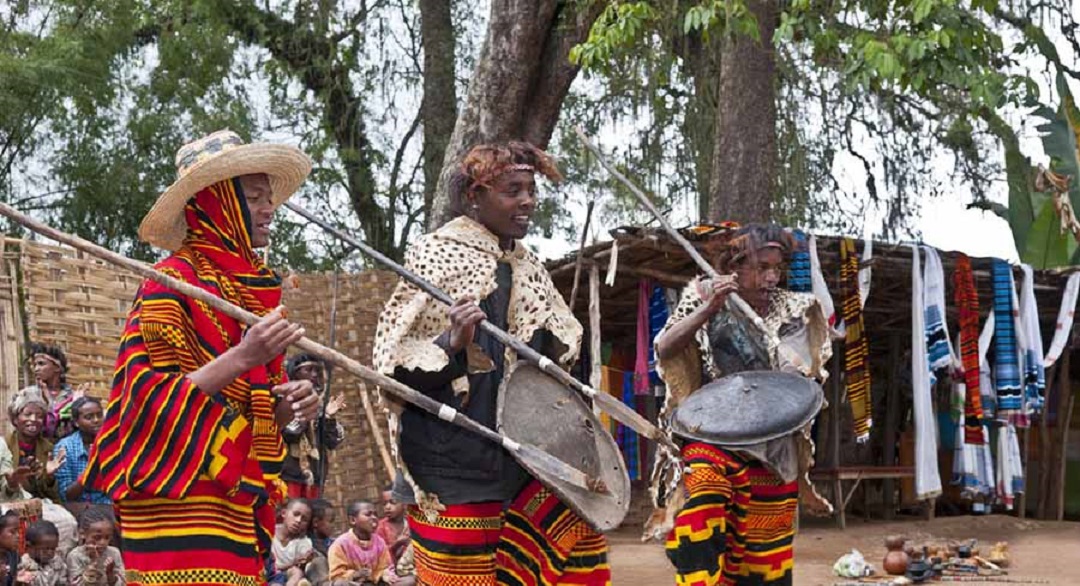
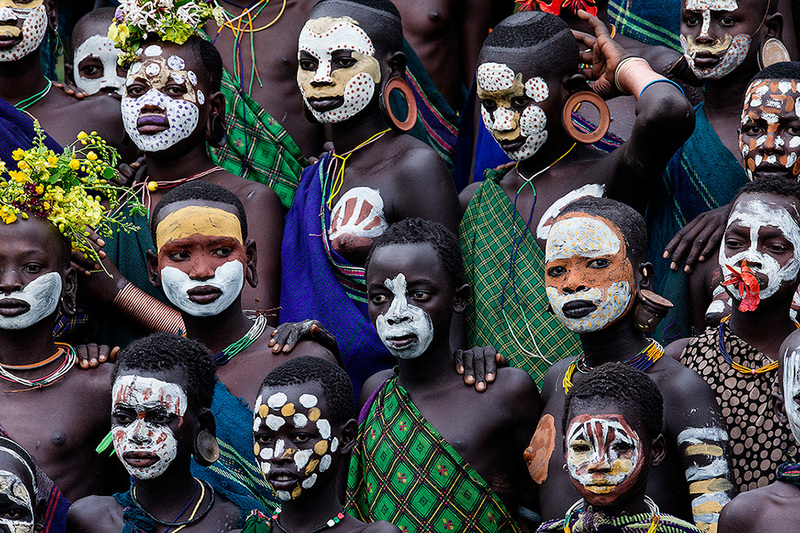
The Surma live in the dense, mountainous wilderness of the Bench Maji Zone, far west of the Omo River near the South Omo-South Sudan borderlands. Though linguistically and culturally tied to the Mursi (sharing the female lip plate tradition and intense body-painting rituals), the Suri live in complete geographic isolation from them. They maintain an uncompromising warrior culture centered around the Donga stick-fighting tournaments, which are fought with zero armor and serve as the ultimate proving ground for young men looking to establish clan dominance.
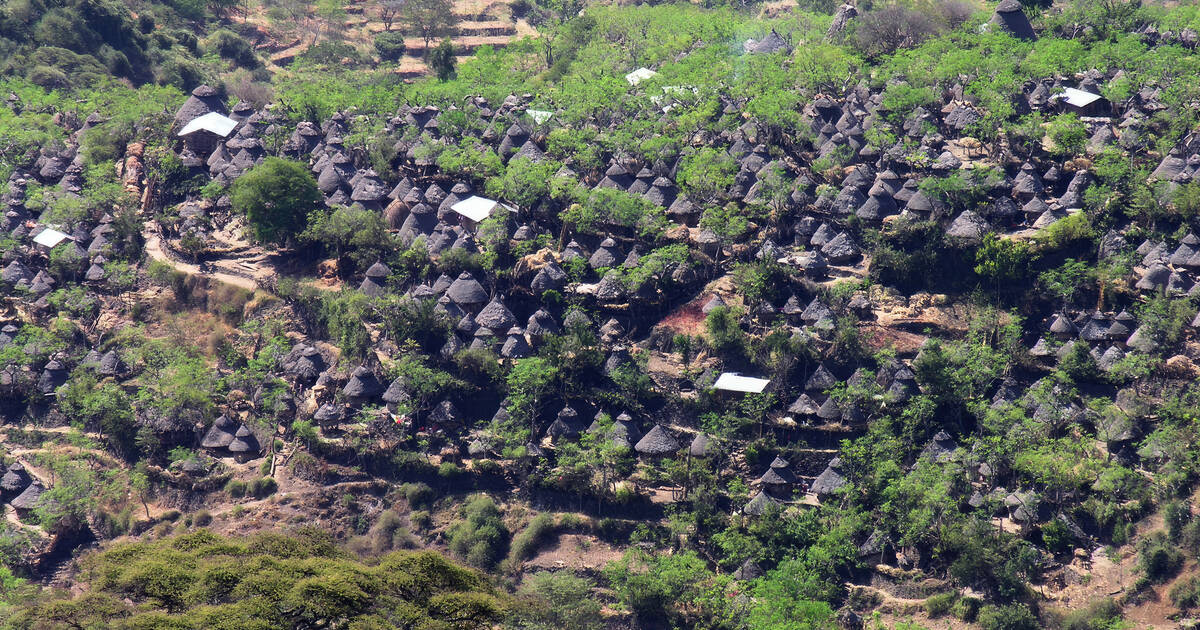
The Konso are settled highland farmers living in heavily fortified stone-walled villages (Paletas) high up in the arid basalt hills of southern Ethiopia. Facing severe terrain, they developed a brilliant, multi-century-old system of stone-walled agricultural terracing to prevent soil erosion and maximize water retention. The Konso are also unique for their funerary art: they carve stylized, anthropomorphic wooden statues called Waka to honor dead warriors and leaders, placing them in fields and roadsides to record achievements.