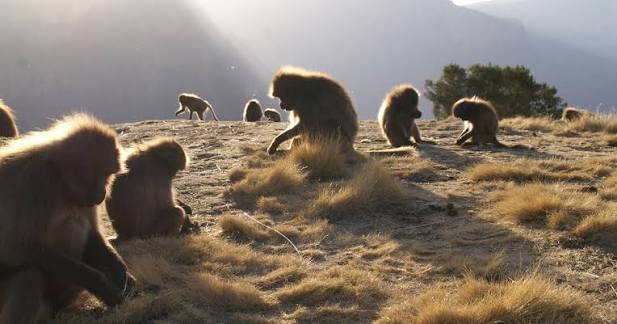
The Simien Mountains National Park is a massive Afro-alpine plateau in northern Ethiopia characterized by dramatic escarpments, deep precipitous gorges, and jagged volcanic plugs formed by millions of years of severe erosion. Often referred to as the structural "Roof of Africa," the park spans altitudes ranging from 1,900 meters to over 4,500 meters at Ras Dashen, the highest peak in the country.
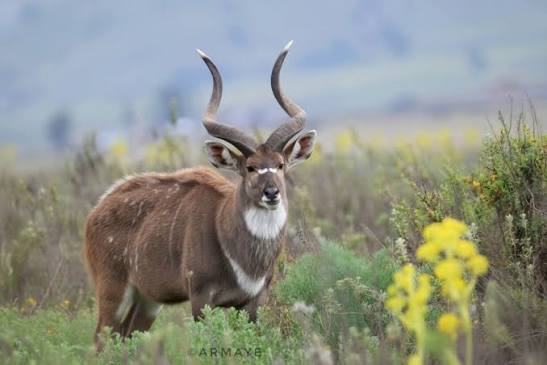
The Bale Mountains National Park in southeastern Ethiopia is a premier biodiversity hotspot protecting the largest continuous patch of Afro-alpine habitat on the African continent. The park is topographically divided into three distinct altitudinal zones: the northern Gaysay grasslands, the central Sanetti Plateau (averaging over 4,000 meters above sea level), and the southern Harenna Forest, a dense, sub-tropical moist montane cloud forest.
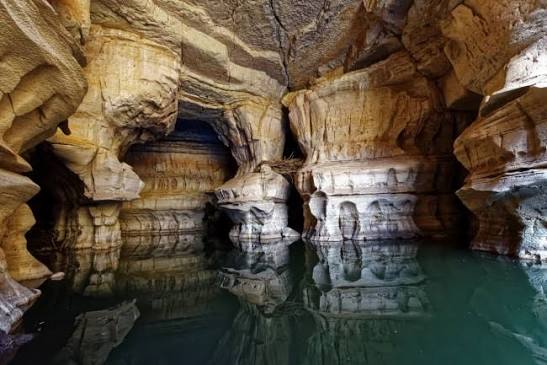
The Sof Omar Caves, located in the lowlands east of the Bale Mountains, comprise the longest and most complex underground network of limestone caverns in Africa, mapped at over 15.1 kilometers in length. Shaped over millennia by the persistent subterranean flow of the Web River, the system features massive, vaulted limestone pillars, naturally carved fluted arches, and echoing galleries that maintain a constant internal temperature. Beyond its profound geological significance, Sof Omar is an active sacred site of religious and cultural synthesis.
Bonga is located within the Kaffa Zone of southwestern Ethiopia, globally documented as the primary botanical center of origin for wild Arabica coffee (Coffea arabica). Surrounded by the dense, high-rainfall montane rainforests of the UNESCO Kaffa Biosphere Reserve, the region preserves native, genetically diverse wild coffee strains growing naturally under a complex, primitive forest canopy. The local economy and social customs remain deeply intertwined with traditional agro-forestry and sustainable wild harvesting methods.
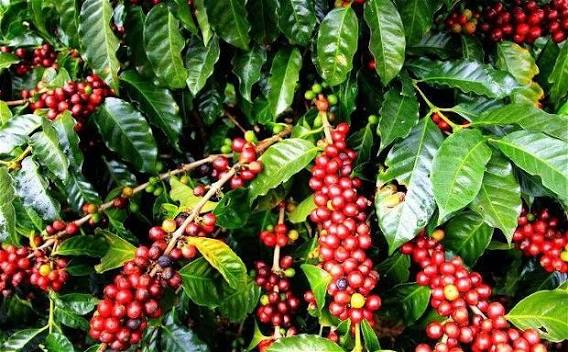
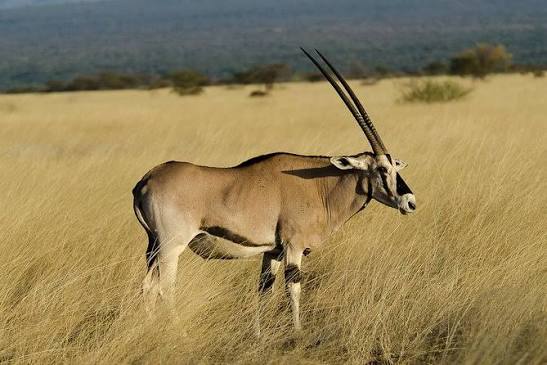
Awash National Park is located 225 kilometers east of Addis Ababa within the lowlands of the Great Rift Valley, offering a distinct transition into a semi-arid, volcanic ecosystem. The park’s landscape is dominated by open acacia savannas, dormant cinder cones—most notably Mount Fentale—and the deep Awash River Gorge, where the river crashes over structural basalt cliffs into an expansive canyon. The park provides highly accessible wildlife viewing, serving as a reliable habitat for desert-adapted species including the Beisa oryx, Soemmerring’s gazelle, Defassa waterbuck, and large troops of Hamadryas baboons. Additionally, the northern sector contains the Filwoha Hot Springs, a unique natural thermal oasis surrounded by doum palm forests.
The Danakil Depression is one of the most geologically volatile and extreme environments on Earth, marking the convergence point of three tectonic plates (the Afar Triple Junction). Sitting at over 100 meters below sea level, it ranks as one of the hottest and lowest sub-aerial places on the planet. The terrain is characterized by surreal, hyper-saline landscapes, including the hydrothermal fields of Dallol, where acidic geysers form vibrant, neon-colored sulfur crusts, potash deposits, and toxic brine pools.